Zen: Distraction
アテニジカール . 아테니에세만도: Art, Ideas, Voice, ESL & Zen / Welcome to 8 Fold. I’m Carl, from New York–in Japan and sometimes in Korea. I make pictures, poems, essays, voices, podcasts, videos, am writing a book and sometimes I do comedy—but only when people and other animals laugh! Thanks for stopping by.
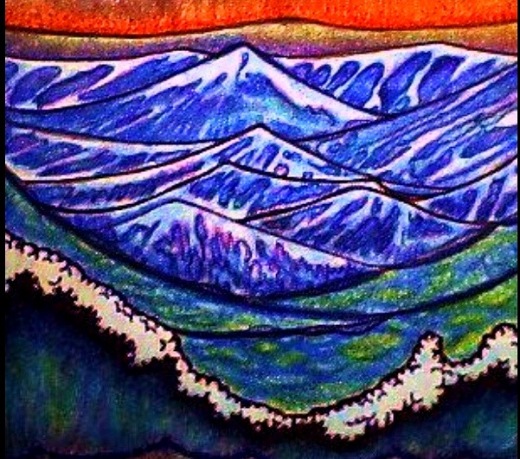
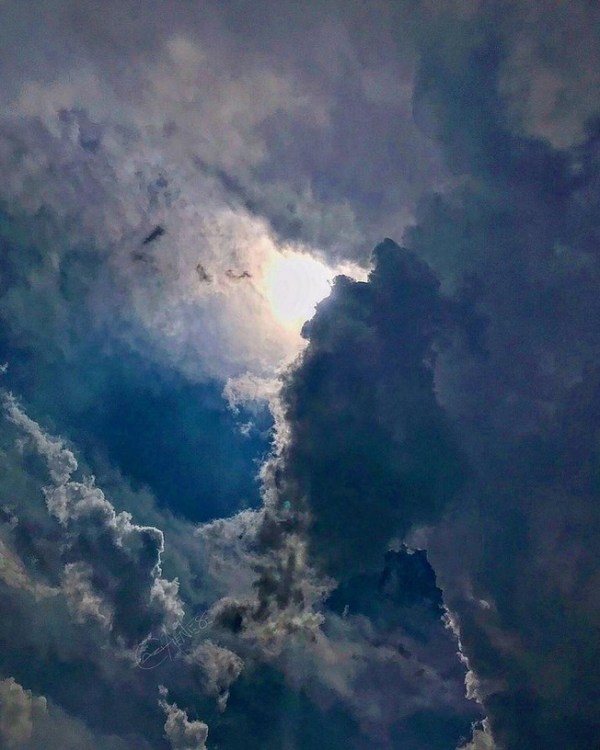
Click the image, please….

Click the linked image to read my preamble at Substack, or bypass that and go straight to the article at NPR.
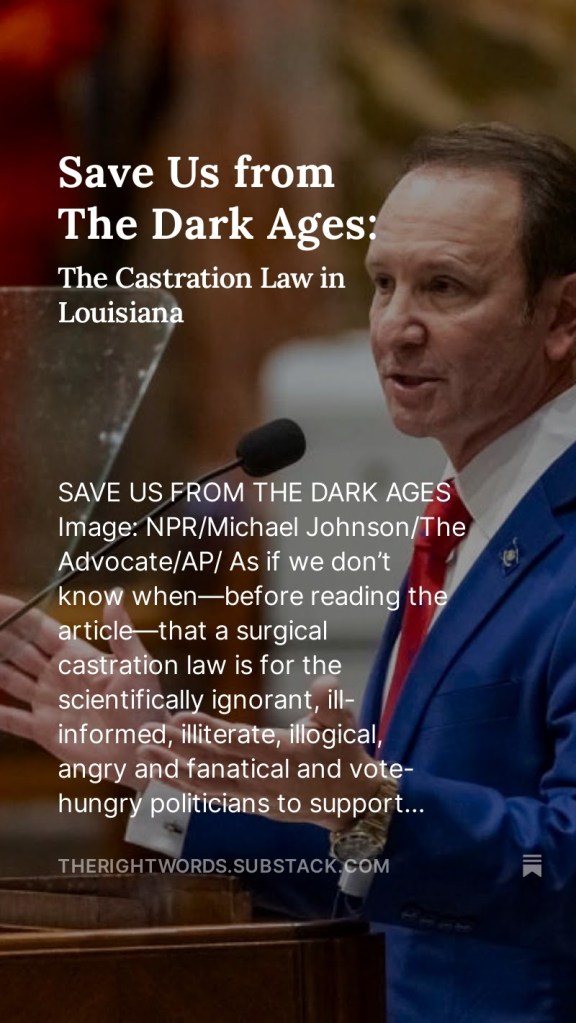
The image is a link to the article.

We all confront challenges, internal and external. Sometimes they can overwhelm us. And when those who throw obstacles in front of us don’t know how much we are already dealing with, we can get quite upset with them–especially when they are incapable of understanding, changing or doing differently; this is especially frustrating when we are forced to be sailing with them for a long time.
Continue reading here.

I used to think that we have to try to reconcile with people who are prone to toxic behavior, because there are affects and causes that go against their probable intentions toward being good people–which we should be compassionate about; but then I heard the new information about neuroscience (which, by the way supports the aforementioned, to a degree), which shows how we are really a product of the brains we were born with, their neurochemistry, our daily environment, our habits and personal philosophies—none of which can change unless we are capable of change to alter all that—which means that people who cannot change and do not try to are going to continue to be toxic–which is going to make you toxic if you remain around them–(big inhale!)–I was forced to think differently….
Some of us are lucky in that our brains allow for us to apply methods of change–some are not… or are resistant to such. Until they change, you are best to be without them.
© Carl Atteniese 2024 / All rights reserved.
Monday, May 27, 2027 (+ 4.5 billion)
I have been very concerned with the state of un-reason, unfairness and the lack of ethics (and their implications for humanity) on the part of most of the average persons I have encountered in my life (and in the world… in every country I have been to).
Consider this:
“…Science is exploding all around us. There is a phase change going on in the scientific revolution….”
What the author goes on to say is, that academics, experts and scientists in different fields are collaborating, communicating and merging their ideas in ways that reflect their awareness that all their concerns are interconnected… and:
“Over the course of the next forty years, science is poised to create more knowledge than humans have created in all of recorded history. How that knowledge will impact life and whether our society and our form of government will be able to withstand the rush, depends upon how we answer political questions we are currently struggling with. There is, unfortunately no similar phase change going on in our politics, and therein lies the rub. Can we manage the new science revolution to our best advantage, or will we be its unwilling victim?”
Shawn Lawrence Otto
from
Fool Me Twice: Fighting The Assault on Science in America, Rodale books, 2011,
Whenever the people are well-informed,
they can be trusted
with their
government.
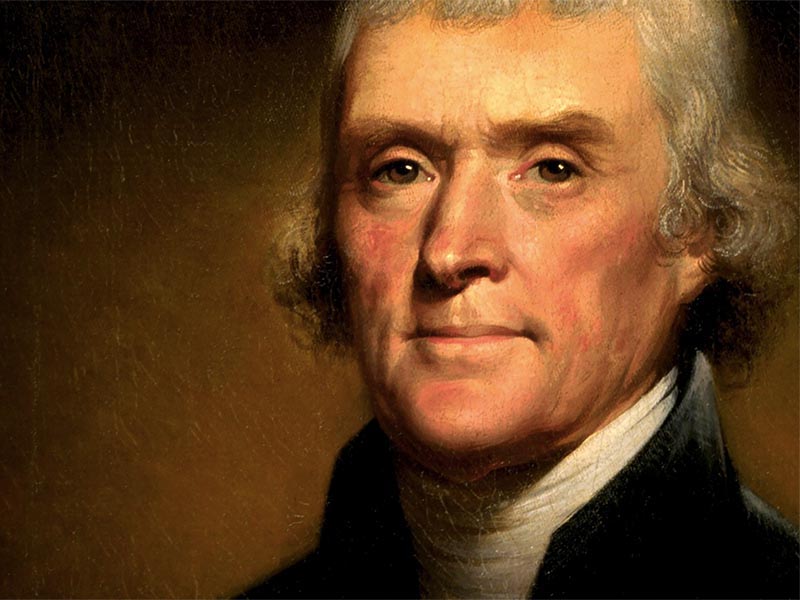
– Thomas Jefferson
Primary Author of the Declaration of Independence (The document that inspired all the modern democracies in the world) and primary advocate for religious and individual human rights; governor, president, secretary of state and foreign ambassador; an architect, farmer, musician, polyglot, philosopher and unfortunately a slave owner and the president who initiated the removal of native peoples from the lands acquired in the Louisiana Purchase–who condemned the international slave trade and signed the law prohibiting slave trade continuance into America in
First of all, I don’t think it’s right to call people stupid. It’s a stupid word that betrays our ignorant beginnings–whereupon (and still) people thought (and still think) they can legitimately blame others for their general intelligence and the health of their brains–before we know their capacity for change and brain health. But it’s a funny and instructive expression said in jest, which makes the point. Culture is key to solving most of our societal challenges. And too many people don’t want to admit this.
This has to do with a post on Facebook, which is making reference to police brutality and violence and the attempt we make to mitigate it with body-cams. It was posted by my friend Robert Mathew Adamson, who lives in Korea and who re-posted it from someone else, who may or may not have been the originator of the post, a person named “Ally”. Here it is, below. Please read my short essay-length comment as it was posted on Facebook, the image.

I haven’t been to many countries, but those who know me may remember that I have visited 3 more countries than the 3 I have lived in, with one of those three being the United States; with this limited experience—but having the benefit of perspective from having lived amidst disparate differences in the cultures between them (and seeing the words and sentiments of those in my home country repeated ad infinitum over and over again across social media), the following is probably the most important idea that I can express about issues in nations.
What I find most amazing about life in America and in a few other places in the world, is that the people creating the cultures in these places are continually surprised by what they’ve made—and they complain about it—while only some of them are trying to find solutions to those troubles in ways that not only do not work and can’t work—not only that they are the same ineffectual solutions applied over and over again before—but that these solutions are causing the problems.
Culture is the answer. It can include training, but the way people live, think, communicate and relate to one another underlies everything. The reason I mentioned other countries is, having lived in two of the most civilized among the family of nations, I know the police have far less to do, be worried about, be trained for and lose their tempers over, because they come from societies in which mutual respect and personal image trump absolutely everything. That is all optional and variable in our culture–personal and divided by different ideologies.
Am I saying that the society needs a comprehensive philosophy anchored in an inclusive ethos and set of ethics? Yes. Multi-cultural-ism is nice, but decoration and division don’t a unified society make, and without that, you have attitudes of inferiority and superiority, too much competition, politically and a lack of responsibility.
Much of this is poisoned by the exaggeration of natural prejudice systemic in all human societies, but in ours, we still have not agreed on who should be responsible for prejudice, de facto- and institutionalized discrimination, healthcare, education, infrastructure and general equality under the law–all exacerbated by a political system based on money and popularity instead of taxes, integrity and education of the candidates. So–we are fractured, and that ‘should’—sociologically–translate into violence–and violence in a society is not going to exempt the police, like they are some form of Zen-master-guardians or Jedi knights. It’s fantasy.
CA
© Copyright 2024 Carl Atteniese II / All rights reserved.

An Article on Behavior, Expectation And Judgement
“Assuming” at The Right Words Podcast & Newsletter
All images © Copyright 2025 8 Fold / Carl Atteniese II / All rights reserved
For information about purchasing prints, shared use or archival information, please write to carlatteniese2@gmail.com.
[さしん スライドショ]





































































































































All images © Copyright 2024 Carl Atteniese II / All rights reserved.