In attempts to guide
We mustn’t control loved ones
Lest love be wintered
卍道
© Copyright 2025 Carl Atteniese / All rights reserved

アテニジカール . 아테니에세만도: Art, Ideas, Voice, ESL & Zen / Welcome to 8 Fold. I’m Carl, from New York–in Japan and sometimes in Korea. I make pictures, poems, essays, voices, podcasts, videos, am writing a book and sometimes I do comedy—but only when people and other animals laugh! Thanks for stopping by.
In attempts to guide
We mustn’t control loved ones
Lest love be wintered
卍道
© Copyright 2025 Carl Atteniese / All rights reserved
After listening to a lecture by Dr. Sam Harris, during his talk with Dan Harris, this rewording interprets my own and some of Sam Harris’s points on meditation and specifically, from his ideas, on falling out of mindfulness.

The challenge is to not be challenged
in applying the lessons of Zen—
or whatever your particular mindfulness meditation practice is—
so when being so challenged,
we are mindful—and associating with our thought- and feeling- landscape,
such that we can alter our conscious experience,
and not be controlled by it…
witnessing it instead.
The former is what happens when we find ourselves “out of control”–so to speak–or better said–not mindful,
and mindless, if you will; we know this has happened, when:
Later,
we are explaining what happened with our mind, body and words—
as if it happened to someone else:
‘I didn’t mean to say that.’
‘I didn’t mean to do that.’
‘I didn’t mean to have that happen.’
‘I didn’t mean to forget that.’
‘I didn’t mean to be late’;
‘I really didn’t want to eat that/drink that/go there/get angry’
This is the experience of most
people–who identify their thoughts and feelings with whom and what they are.
With a successful mindful practice, we realize we are not our thoughts and feelings, but rather that they are parts of our conscious experience; meditation allows us to observe this—and in the practice of meditation, we let our thoughts dissipate, diminish and disappear, before we react to them—in real time—as it were (at least that is the task and the benefit); we may have new feelings as a result of the thoughts we experience in meditation—but part of the practice is:
To observe the thoughts and—
to simultaneously not volition-ally add to them—and:
when we do observe our thoughts, by dint of ‘falling out of meditation’—
we return to our breathing—
as a focus, instead of the “thought train”, which we accidentally have begun to allow to form.
This practice is the crafting and guiding of our conscious experience, rather than the surrendering to it and that which we are often a part of.
I. It could be said that this practice—mindfulness—
describes the more accomplished and intensive meaning, applicable to the phrase:
‘change your mind.‘
Once we can do this–more and more in our minds,
we can do it beyond,
in our thoughts and actions—
like moving in the car with our hands on the wheel,
rather than off it—
as the car drifts forward in idle drive gear.
We find we can experience our mind—
consciousness and its contents—
and the world
(as well as situations in it–especially potentially adverse ones) …
mindfully—
so that we do not, later, regret that which our better self would rather not have said
or done—
or forgotten to do—
as the case may have become.
II. Mindfulness allows us to experience, with guidance, and craft—
our conscious experience—
and prevents us from becoming victims of our thoughts,
emotions
and actions—
and those of others—
from not living by the hidden programing
in our wetware—
that has us continually saying…
‘what am I supposed to do in this situation’ .…
III. Via mindfulness, we find ourselves in better situations.
And until we can,
we find ourselves experiencing even bad situations—
better—
than we would—
without mindfulness.
The idea in this essay, taken from Sam Harris, is simply that of
’becoming able to witness our mind and our conscious experience’—
and:
not being consumed by it.…
Another idea Harris expounds on is:
’when we do come off the path (my words),—
we get back on it more easily’;
What Harris refers to in his example of this, is, anger;
Harris says ‘we bounce back’ to a better conscious experience (or behavior, for example, when angry)—a lot more quickly: Harris is fond of putting it this way:
‘How long do I want to be angry?’
IV. With mindful practice, we don’t stop being human—
with the cultivated conscious experience afforded us in the work of meditation and reflecting on meditative thoughts and ideas—but:
We spend less time out of control and in regret; and we know we are conscious beings having a conscious experience—an experience that we are not helpless in shaping.
Thank you for reading.
‘Be a Buddha’, as we say in One Mind Zen–in Korea: “Sungbul haseyo.”
Carl Mando Atteniese
Wheat Ridge, CO (for now)
Words & Image Copyright 2025 The Right Words / All rights reserved.


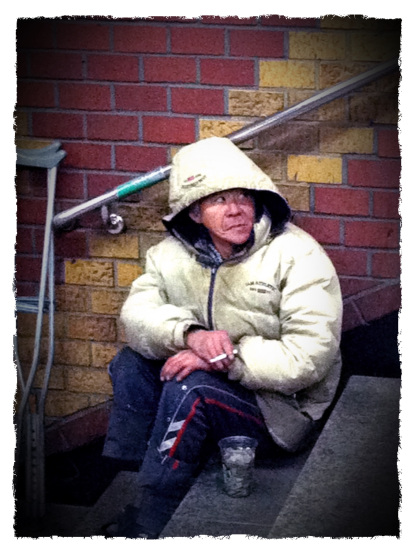



























































































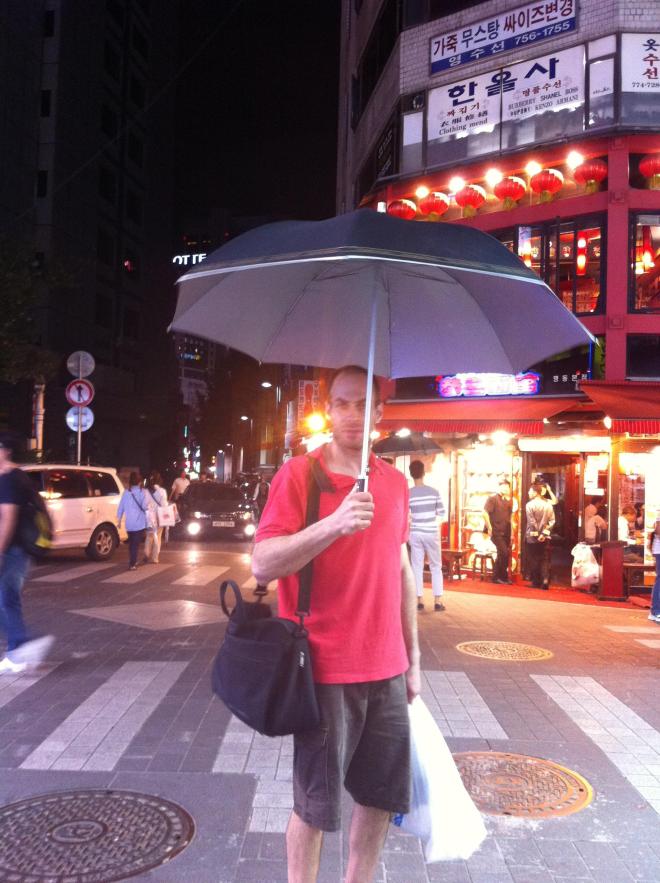






















































































Korea Gallery 1: General Subjects (with more to come)
All images © Copyright 1996 – 2025 Carl Atteniese II / All Rights Reserved / Dear Viewer, I apologize for the quality of some of the images here, which, with time, will be edited in the future, for lighting, intensity, balance, art-quality, where possible; this is an archive of memories, more than a portfolio. Enjoy. Thank you for being here. – CA
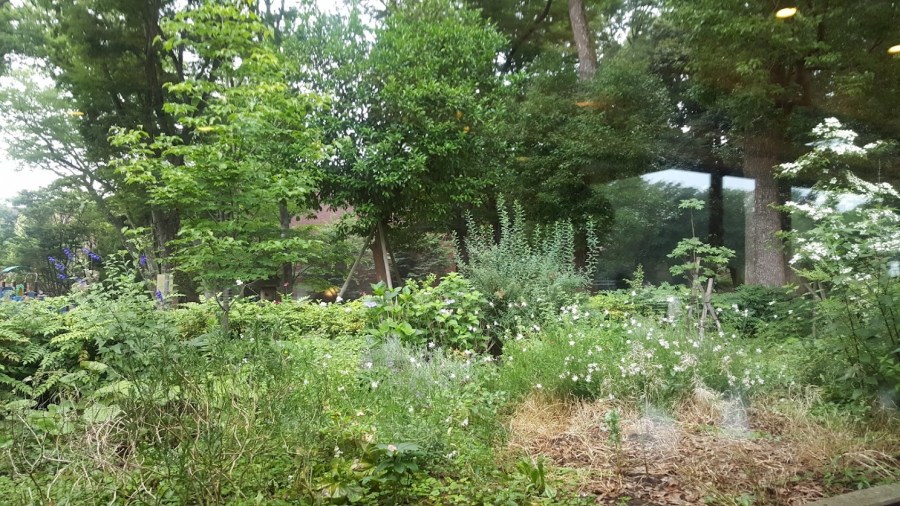
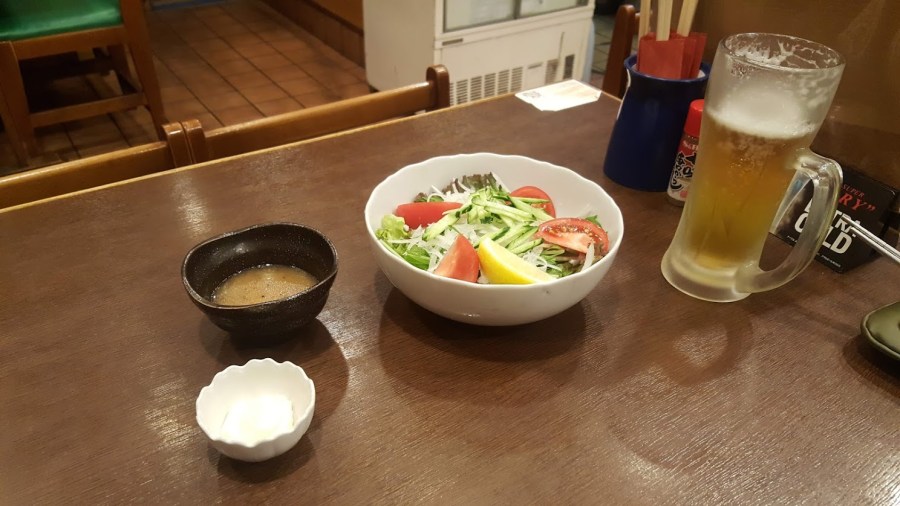
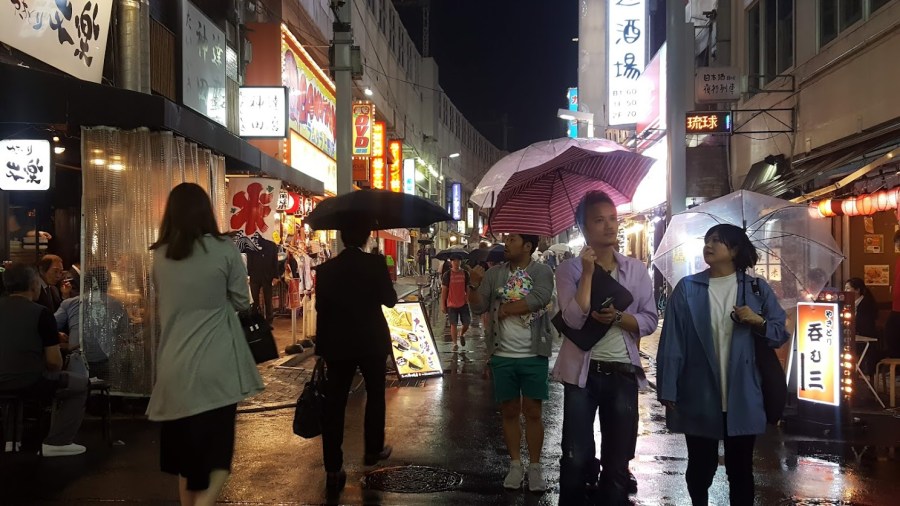
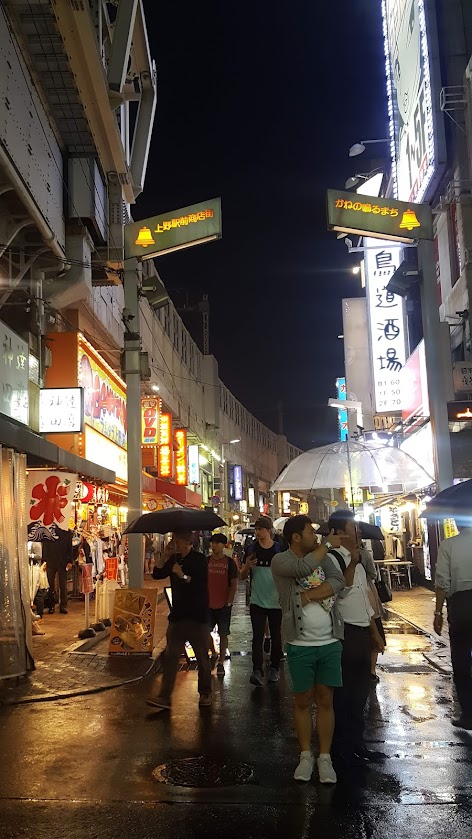
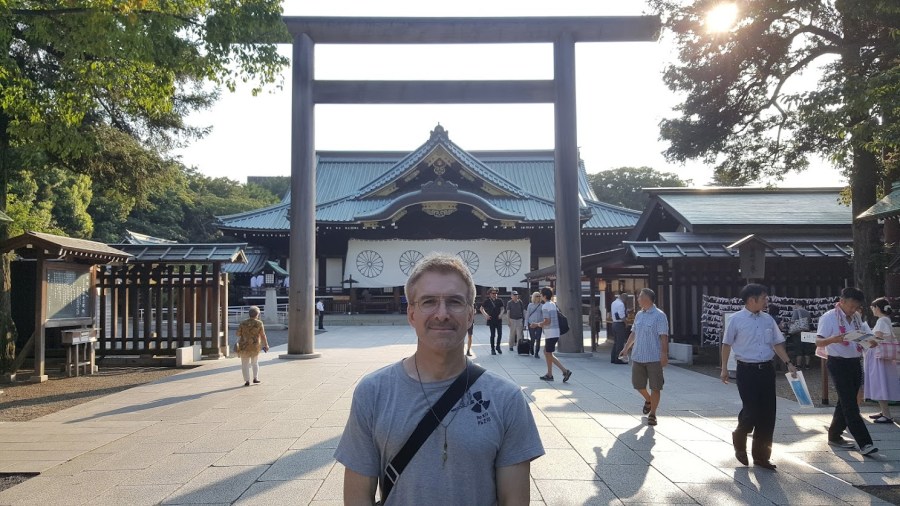
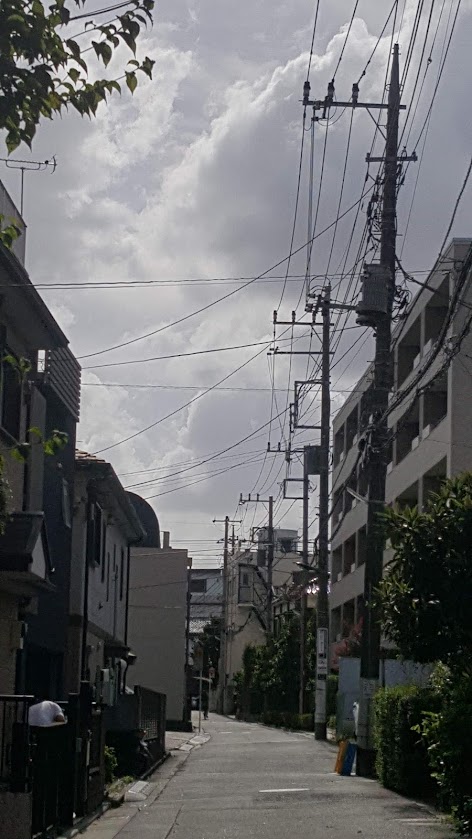
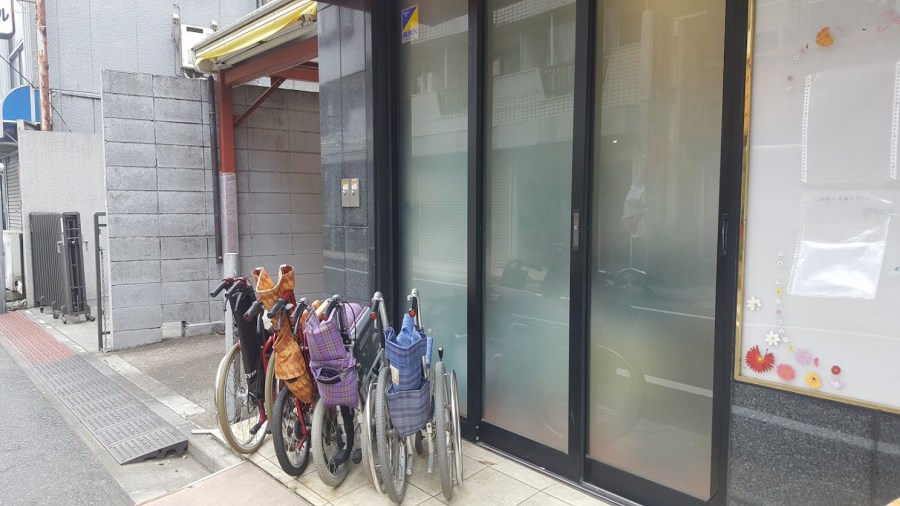
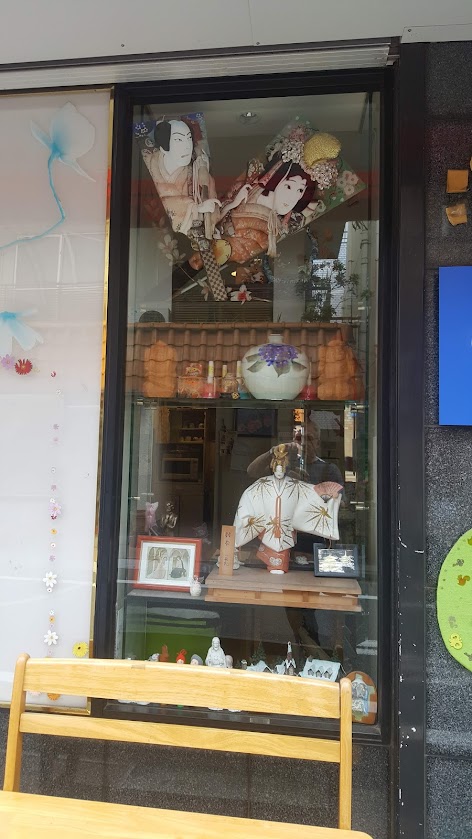
Welcome, Friends! Thanks for looking. Please be patient with the mundane and ordinary nature of many of these pictures, and note that this is an attempt to archive, publicly, many of my snapshots (different from “photography” with a capital ‘P’) from five years in Tokyo; most of them are not edited to art quality. Also, please note that due to a situation of subterfuge, after a year at my first place of employ, and then Covid causing the close of my department at my second job of three–I lived on a budget, so most of these images are of limited travel opportunity. Next time, I will go to the beautiful sites–the hots springs, Fuji Mountain, Hokkaido, Kyushu (again), Shikoku and more of the other islands…. In the near future, I will label these images with information as to location and subject matter. – CA
Knowing Ourselves–Honesty, Conversation or Violence* And Politics
Carl Atteniese’s The Right Words Podcast at Substack / The image below is a link to the post on Substack.
This page is a work in progress.
Image 1:
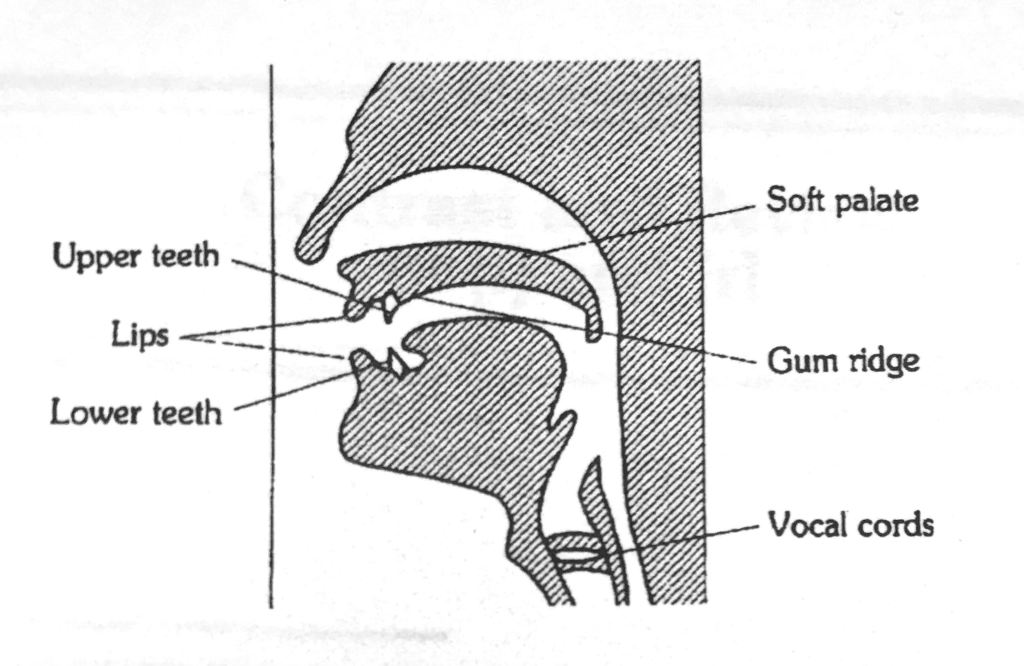
Image 2:
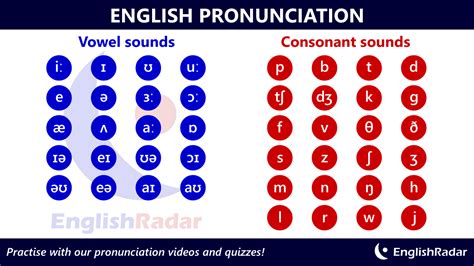
Image 3:
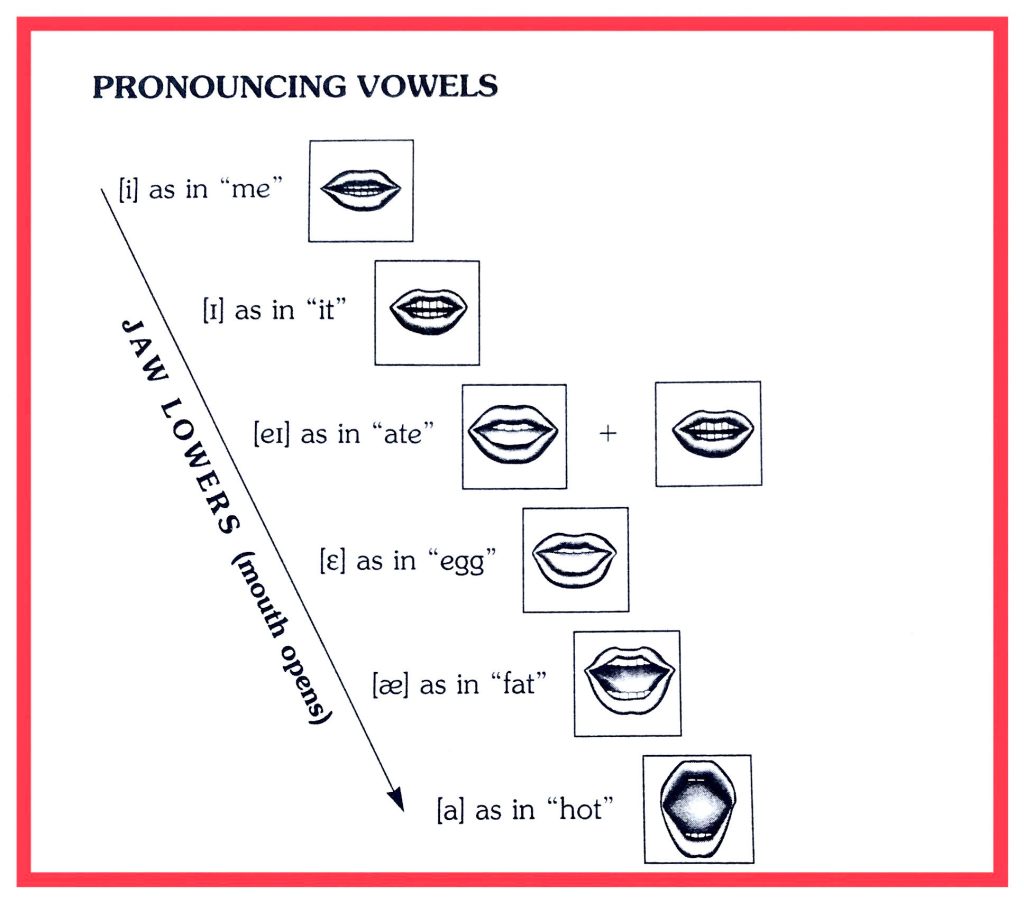
Image 4:
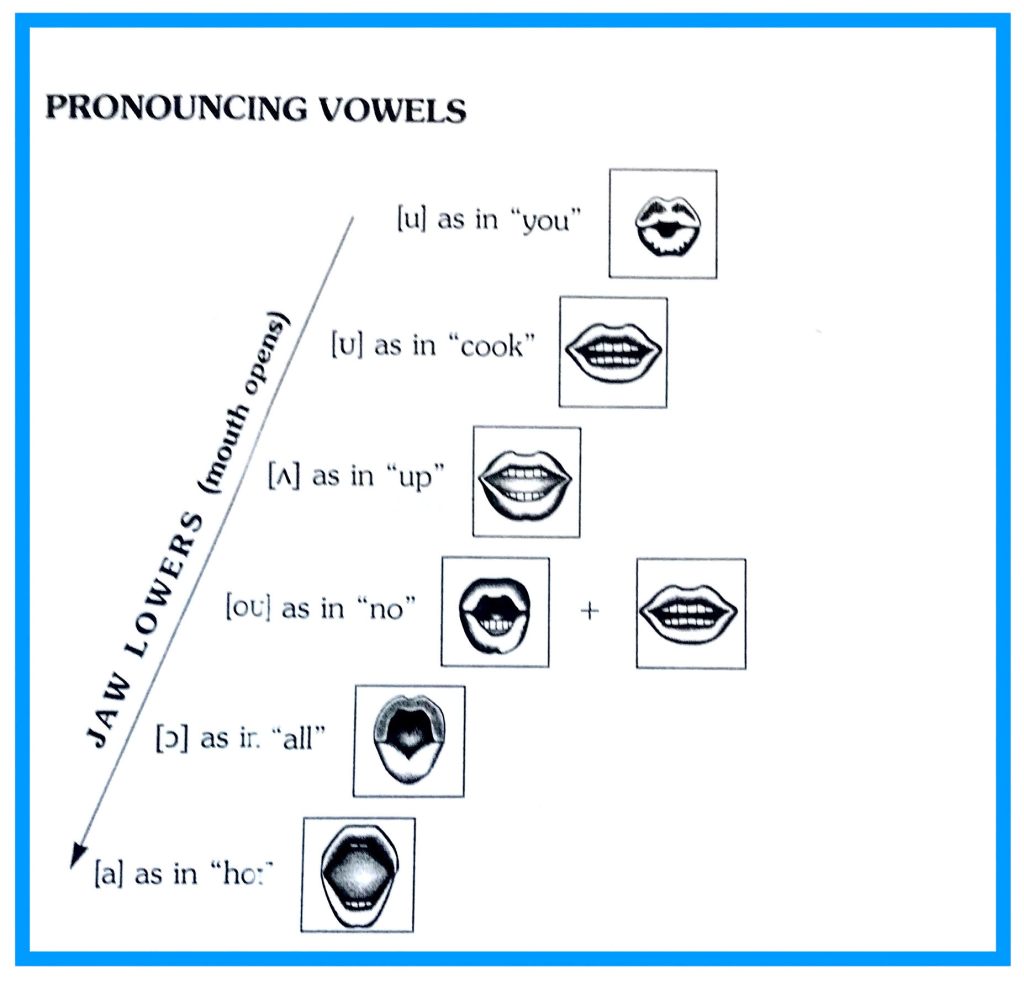
Image 5:
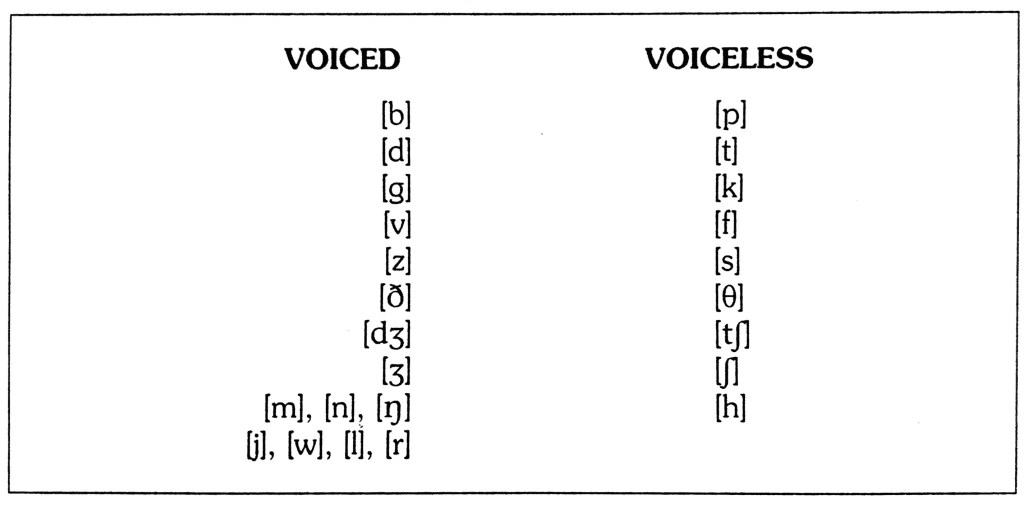
Image 6:
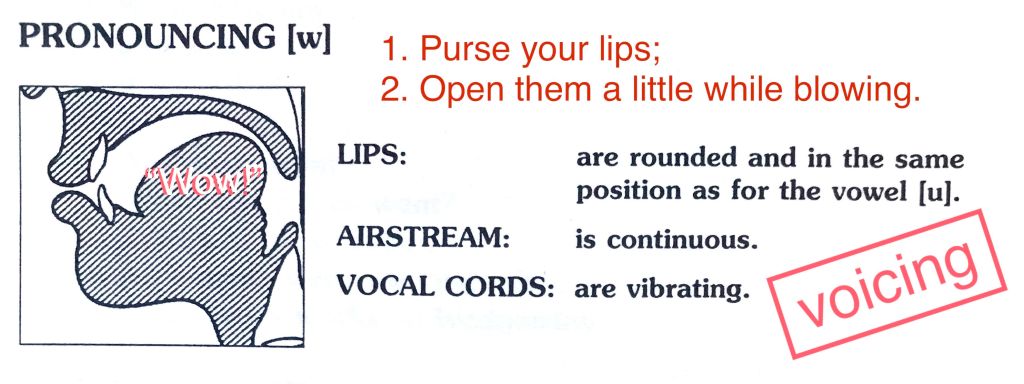
Image 7:
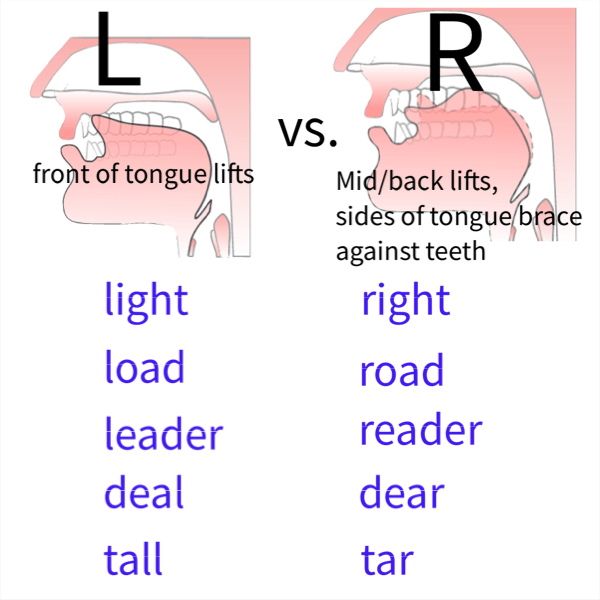
Image 8:
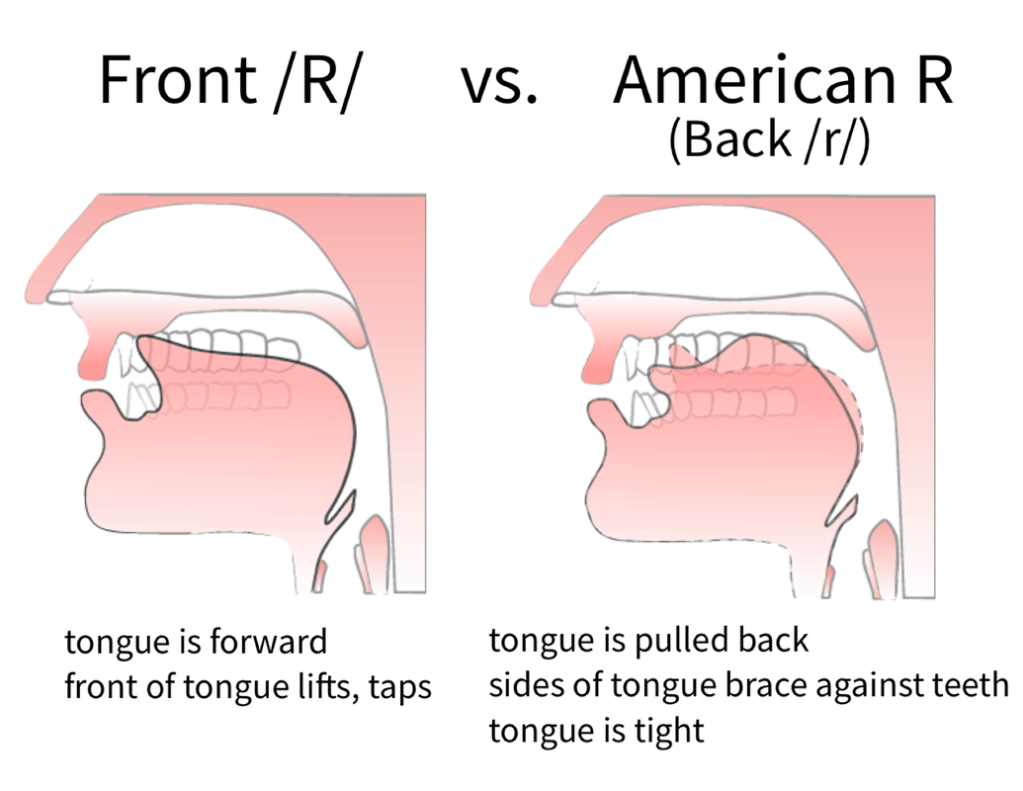
5 Steps to pronouncing the American R:
1. Curl your tongue back.
2. Don’t touch the back of your top teeth with your tongue.
3. Don’t touch the inside top of your mouth with your tongue.
4. Don’t lower your jaw.
5. Make a sound from your throat so your throat vibrates.
You should be able to hold this sound for a long time. If you cannot, you are not doing it correctly.
Image 9:
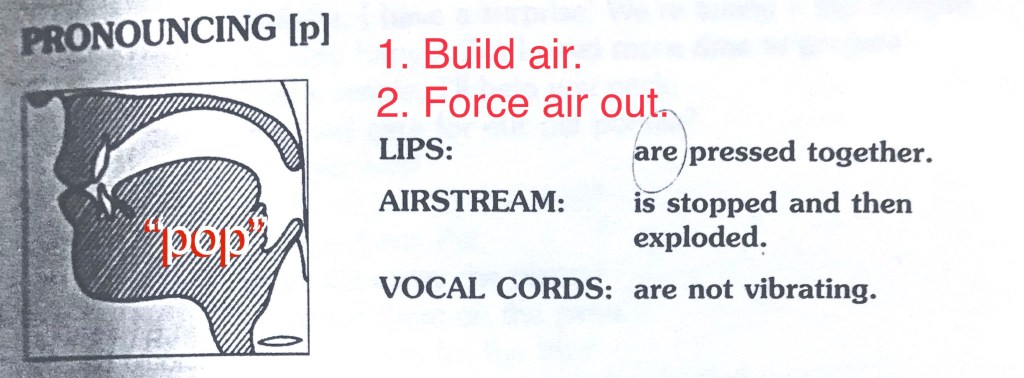
Image 10:
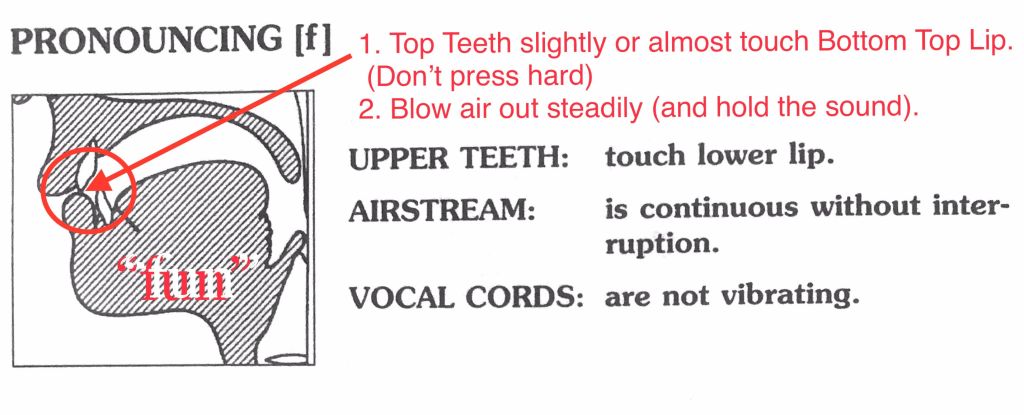
Image 11:
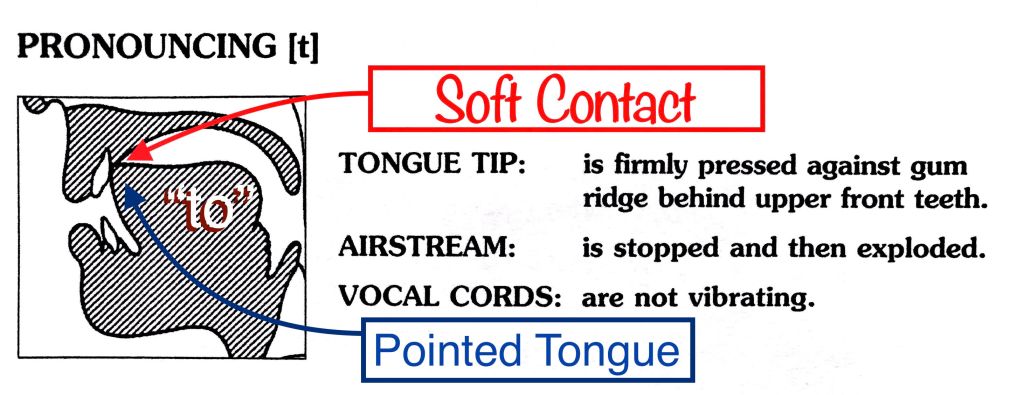
Image 12:
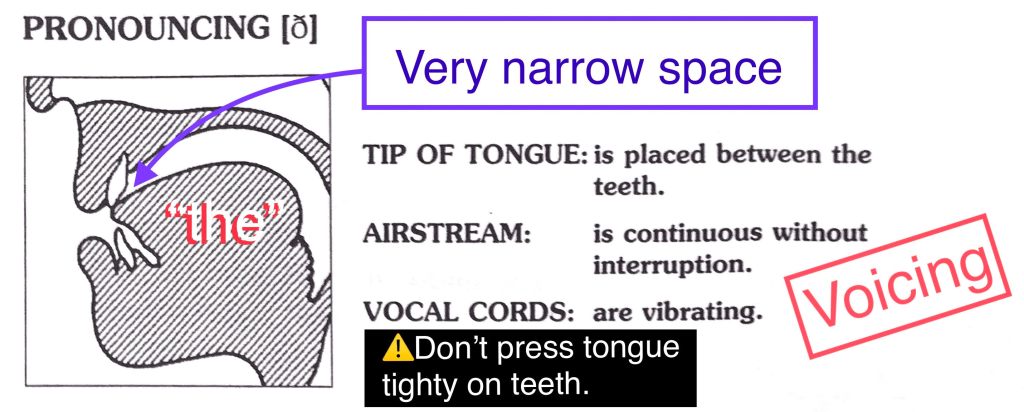
Image 13:
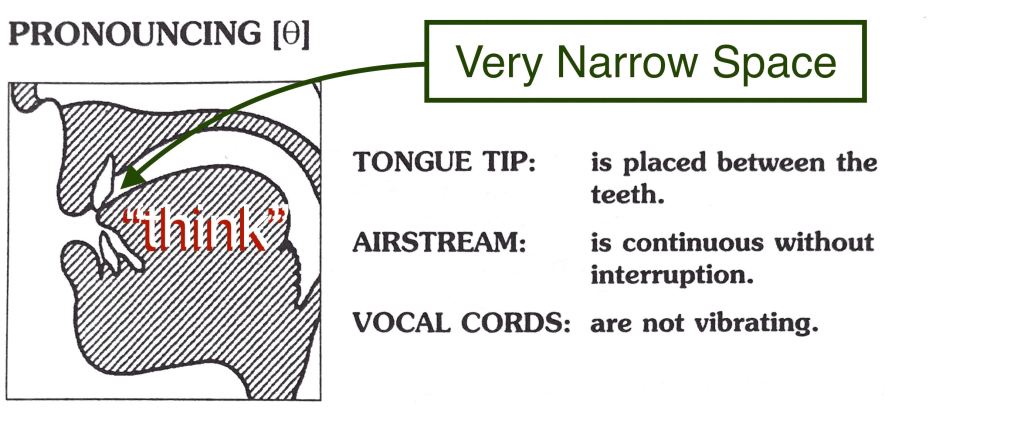
Image 14:
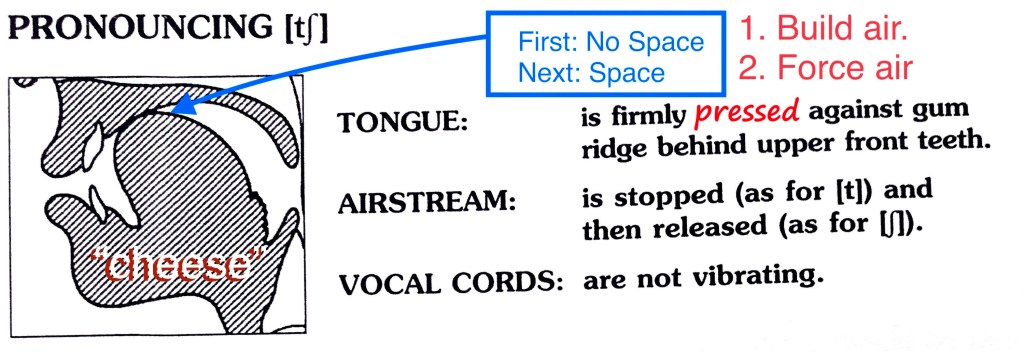
Image 15:
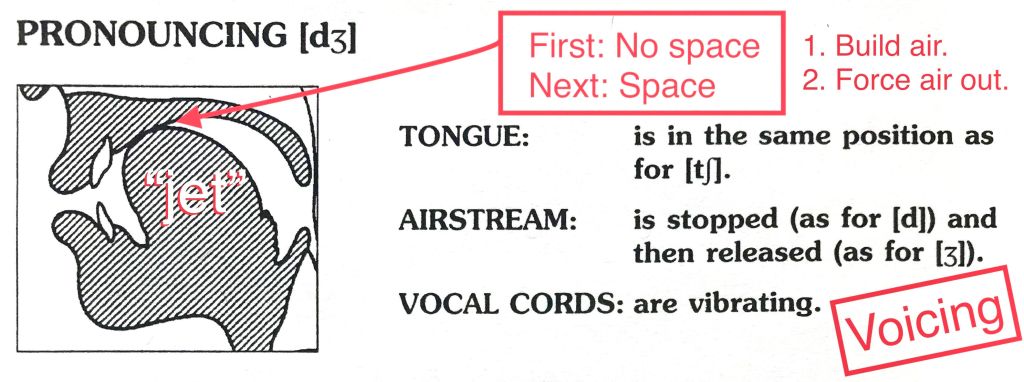
Image 16:
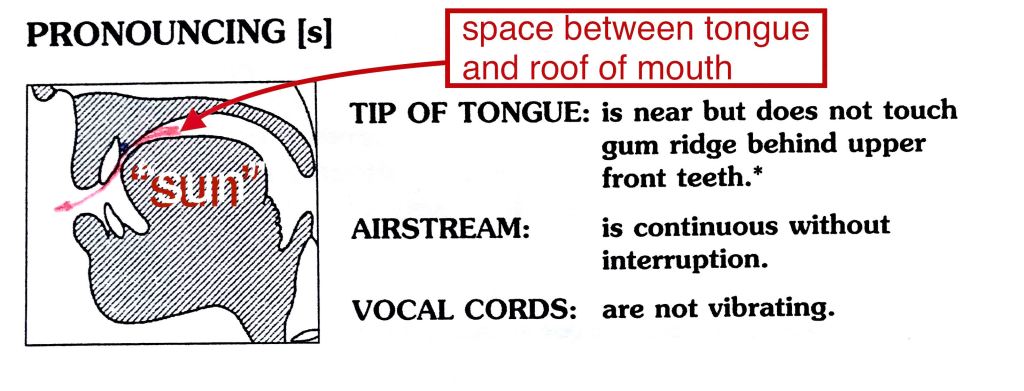
Image 17:
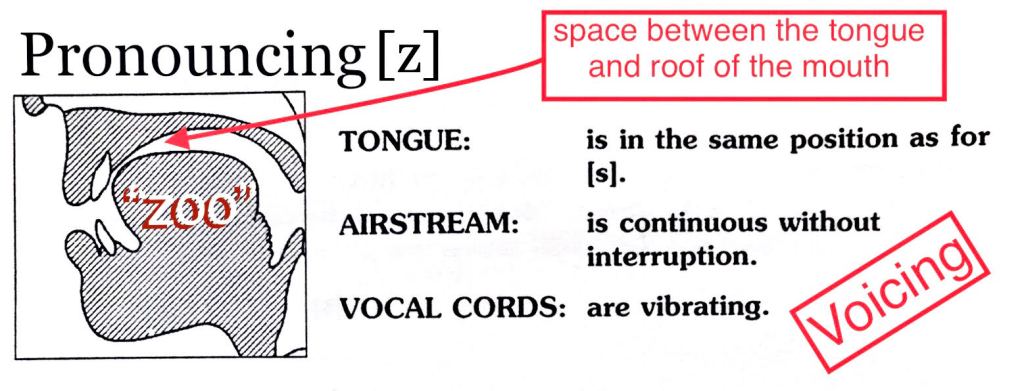
Image 18:
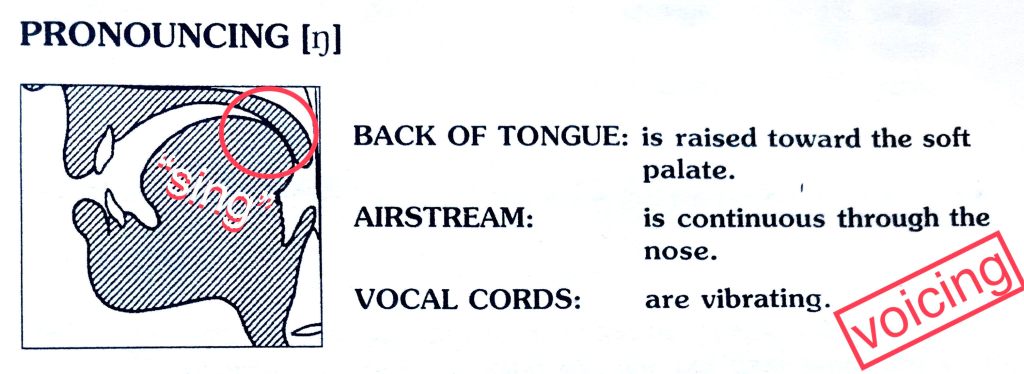
Image 19:
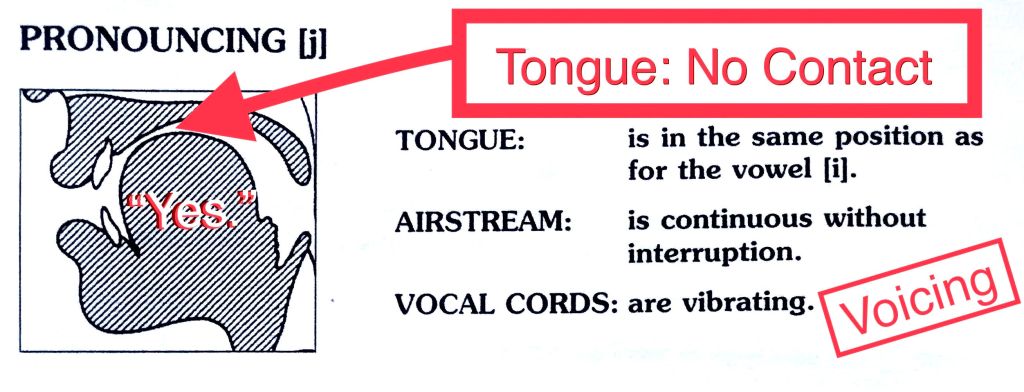

The uniform illustrations on this page have been provided with apologies and thanks to Paulette Dale and Lillian Poms from a book I started using in the 1998, in Princeton, New Jersey–at Inlingua School of Languages (see resume, references), in Korea called English Pronunciation for International Students, published by Prentice Hall. These days one can find countless pronunciation videos on You Tube, but I find a simple diagram like the ones featured here are instrumental in envisioning and remembering the placement of the tongue and the shape of the lips necessary to the pronouncement of sounds in the English language.
And Some Spirituality is Good.


It can be frustrating and hurtful to not be answered by people – especially not
being answered by those we are in relationships with. The problem here,
and in all human relations resulting in frustration, is—we forget that
we do not share the other person’s conscious experience and do not know
how that other person is feeling at the moment. Therefore – it is
incumbent upon us to release ourselves of the expectations which caused
us to demand responses—and the types of responses that we desire from
others.If you watch the video above, you may see a contradiction. Contradictions
provide some of the greatest teachings in Zen. In Zen training,
contradictions often present themselves in brief sayings called a koan
in Japanese and a wadu in Korean. In the video above, there is
no Koan or wadu, but you may have noticed the admonishment to “dissolve
your entitlement” while simultaneously being encouraged to tolerate an
entitlement to not answer. So—it seems we are being told to not be
entitled in one case but to be so in another.It is the
entitlement of expecting an answer which diminishes the entitlement of
not having to answer. How can we justify one whilst being against the
other? The answer is in understanding the right of the use of a deed in
one case as opposed to not applying this right in another; namely in
understanding the contradictions inherent in human emotions and the
values we place on limiting them. The key is in understanding
that though there are common states of mind among sentient beings, we
all have separate corpuses, in which different chemistries, cultures and
conditions make our experiences vastly different from those of one
another’s. This is the key to compassion—both for ourselves and others.Mando_________
성불하세요
#zen #buddhism #relationships #answering #notanswering #mindfulness #mind #consciousexperience #differentpeople #health #entitlement #meditation #mindfulrelationahips @samharrisorg @robert.sapolsky