Love

Image and Writing © Copyright 2011 – 2025 Carl Atteniese II / All rights reserved.
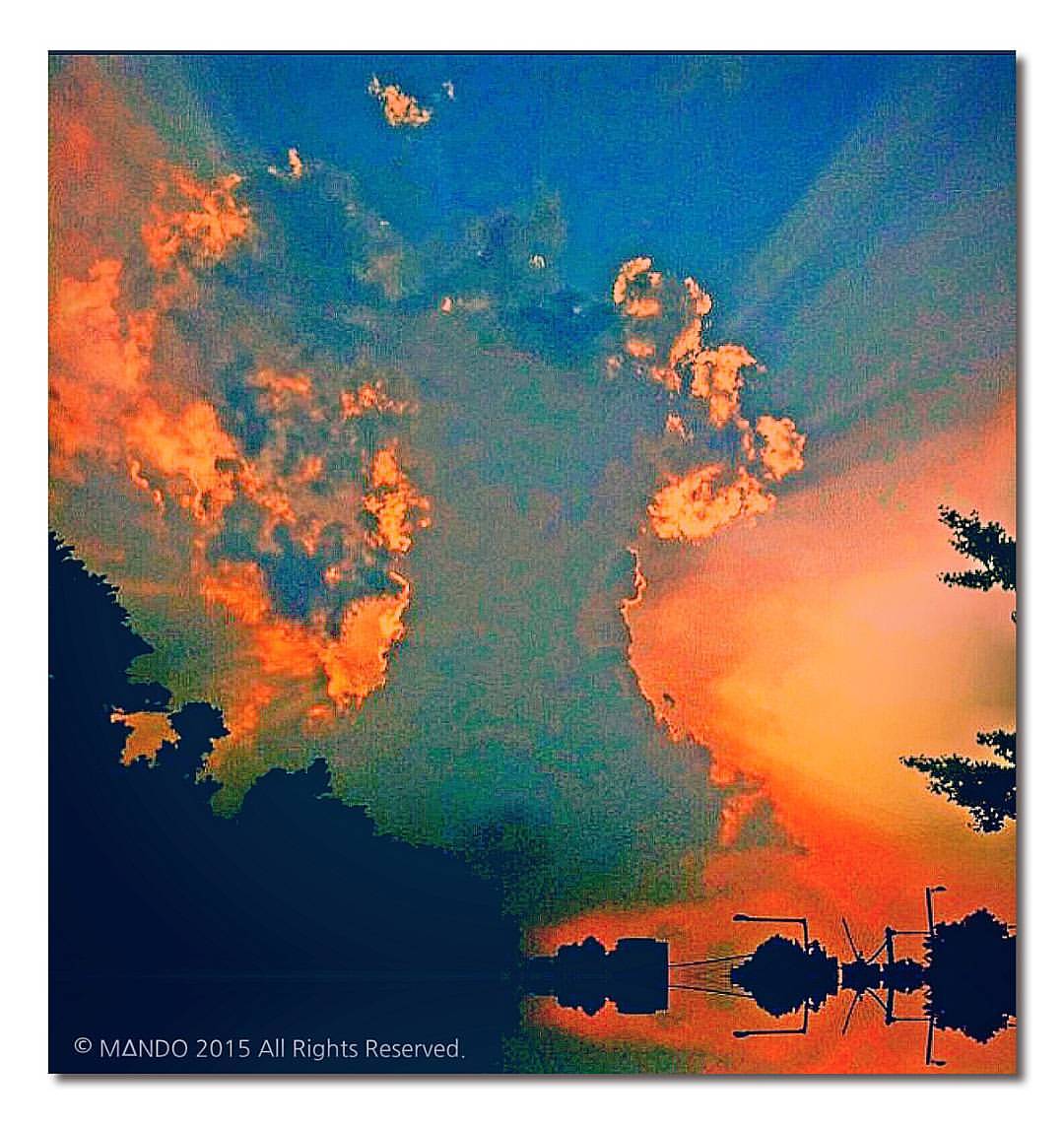
Image: Cloudy Prominence, Pyeongchon, Kyeonggi (outside Seoul)

Teaching Videos

This image has an empty alt attribute; its file name is 436271194_7710197952372075_7890118847310521349_n.jpg
AI
Save Lives. Join Amnesty.
This image has an empty alt attribute; its file name is screenshot-2024-11-18-180515.png
Help People around The World Who Are Suffering Natural Disasters, War And Genocide with IRC

Strange Things

Image Copyright 2015 – 2025 8 Fold / Mando (Carl Atteniese) / All rights reserved

Love can make you do strange things–
“strange” to other people–
especially “strange” to other people who don’t have love–
but what’s really strange about love is–
when people who don’t have love eventually have it–
there is much less strange about it to them, now

Wisdom is knowing what is right, normal, healthy, helpful–
or just plain natural–and knowing it from experience–
and being able to apply that knowledge or let its display, be

Genius is having wisdom–
And being able to apply that wisdom–or let its display, be-
Without experience

Help is giving love, wisdom, genius and ability to the self or others–
free of attachment, payment or expectation
People often help one another with a mixture of love, wisdom and–
Sometimes genius–but often not free of attachment


Helping others is often–if not usually–a good (we can enable harm–which is no help)
But some people attempt to help others with strings attached to that “help”;
they want conformity, reciprocity or convenience in offering assistance
They don’t want to upset their own plans too far;
and they prefer guarantees of relative ease:
This is not help, so much as it is self-help–for themselves–and for others’ eyes
You can recognize this type of “help”, as it is not selfless;
It comes with expectations, accounting–even blame…
when it doesn’t produce expected outcomes–
when the “help” is not paid back with much praise, or good results


© 2025 8 Fold / Carl Atteniese / All rights reserved

What to do–or Not Do

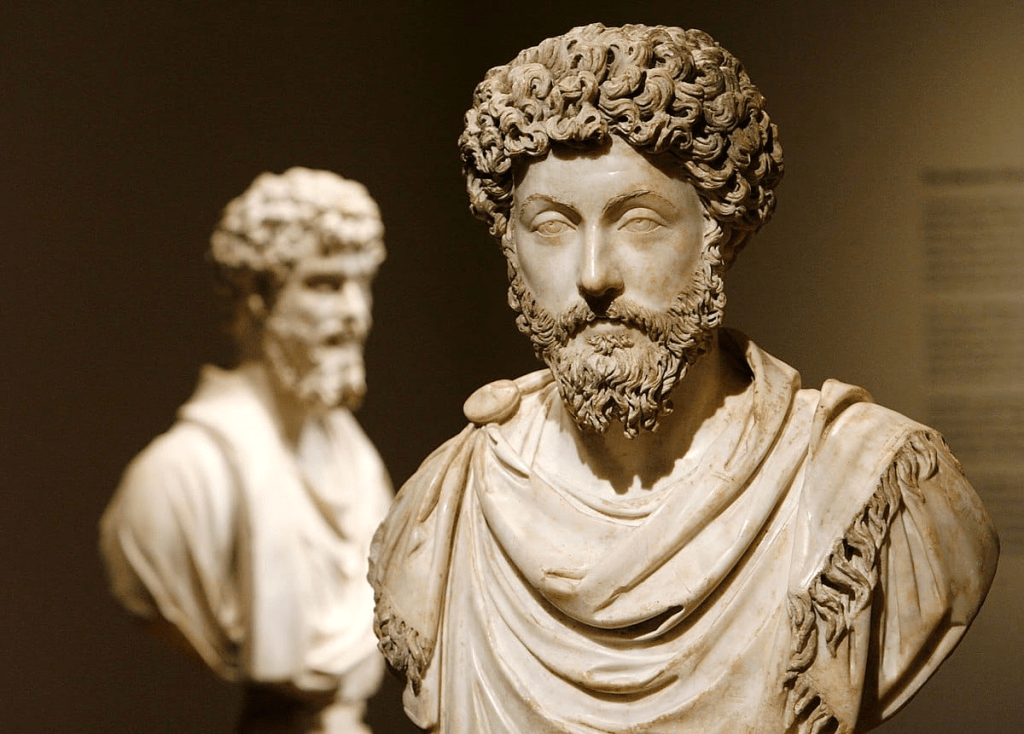
Sculpture of Marcus Aurelius; credit to be added

The currently hugely popular and historically famous Roman emperor, Marcus Aurelius said “the obstacle is the path.” This implies ‘meeting one’s challenges head-on’, rather than going around, or avoiding them.

If you haven’t heard of this emperor who embraced Greek Stoicism, he is the one portrayed as the old Caesar played by Richard Harris–in The Gladiator, staring Russell Crow.

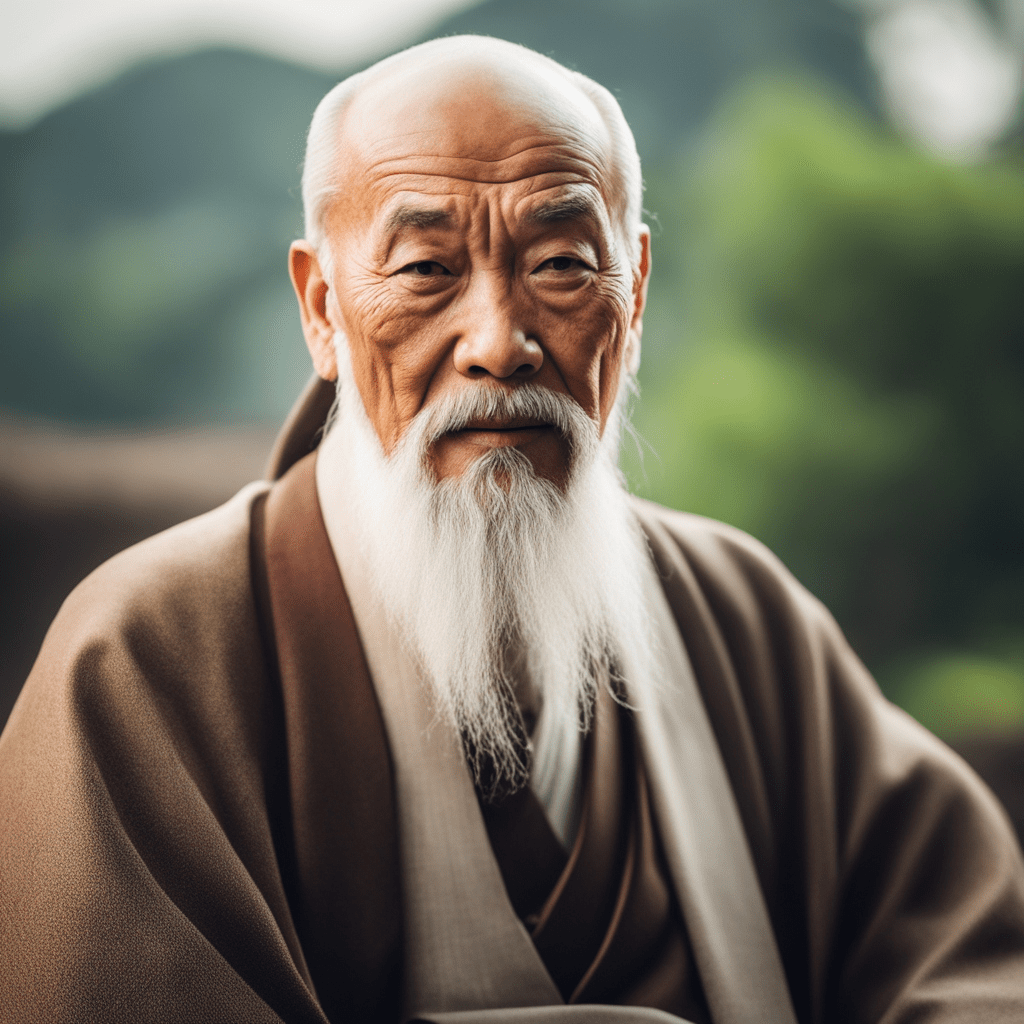
AI Image (Lao Tsu lived over 5,000 years ago, in China)

Lao Tsu is credited with having said to practice non-doing–which, of course, doesn’t mean ‘don’t do anything’, but rather to not micromanage—to use a popular phrase from the 80s and 90s–and rather ‘let things unfold, naturally, allowing them to progress or devolve as part of the natural order. This is hard for many of us to do, especially with the histories that precede us, the examples set before us, the accomplishment-focused heroes we elect to worship–in politics, business, education, sports and even in relationships. Capitalism (often conflated with democracy), is an inspiration in over-doing, itself–feeding selfishness, blind greed and war….

Sometimes, in issues and situations big and small, a combination of the two ideas–if we take the Roman’s statement to mean, “go after it”, as Chris Cuomo would say–is in order; or–maybe always.

Let us say you apply for a job (and let us assume that not having one, or the trying to obtain one, is the “obstacle”)–or, in my case, for tens or hundreds of jobs; after you have applied for one, you have to move on to applying for anotheror not–but in waiting to find out whether you will be hired–you find have to let go, and… wait.

The above examples do not, perhaps, make the best lessons for the statements we read from the great philosophers in question, but they work and relate to my situation, which satisfies an autobiographical tone for this blog.

A better example would be in talking about having to do something and not wanting to do it, or in the opposite vein, overdoing it. Do the things you are afraid to do–if they must be done, but once on the path, don’t overdo it.

Professor, Philosopher and Writer Joseph Campbell; photo credit to be added

Joseph Campbell famously told us “the cave you fear to enter holds the treasure you seek.” This statement matches that of Aurelius, I think. If we add the wisdom of Lao Tsu, we might say, enter the cave, conquer the fear of that obstacle in the dark, but once you have gone in and approached your goal, let go of it.

Carl Atteniese II
Currently in Baganuur, Mongolia

© 2025 卍道 (“Mändō” / Carl Atteniese)/ All rights reserved

Your Inherent Nature


Entrusting
to
All
You
Already
Have

This is a great talk (see the video below) by my friend and Dharma teacher from Korea, Chong Go Sunim.

Of particular interest, for me–and perhaps for you–in this talk, is the idea of the brightening of one’s mind, heart or soul. The first time I heard my teacher speak of this notion, he worded it in the negative, as in the darkening of our soul (or heart; I cannot recall his exact verbiage); so–having come from an atheist background (and still being

firmly there, mind you)–and before that, a Christian one, this language unsettled me, a bit (in its possible interpretations, not so much in what I thought, at the

Chong Go Sunim was my teacher in Korea and transmitted my Dharma name, Mando, to me from Dae Heng Kunsunim.

time, Chong Go Sunim meant by it).

It took me years to realize what my venerable teacher had truly meant; and while I still don’t take it literally, hearing Chong Go Sunim speak about brightening our mind, heart or soul, I see it–now–for what the experience of it really has become, for me. And that is a lightening of my burdens, simply for having the Zen–and in particular, the Sangha experience in my life. Why–simply coming to this page, tonight, to add these thoughts, now (the original post was shorter, lacking this paragraph), I feel lighter.

To elaborate, and go on a bit of a tangent, mind you, I had woken up with some dark interpretations of some events in my life–and though there is merit in observing such kinds of thoughts and investigating, sensibly, their nature and possible validity–having come to add the idea of brightening and darkening the mind, heart or soul, I feel comforted, moved, schooled and relieved, to–as Chong Go Sunim once put it in a conversation we had in Korea– “not believe everything your mind tells you….” And what we put in our minds can cause that, over time–another crucial idea expounded on by The Buddha.

So–I encourage all thoughtful people–and those who would like to be more thoughtful (or less–as the case may be), to listen to Teacher Chong Go in this and other Dharma talks. The Han Maum, or One Mind Zen school offers some interesting core practical concepts you likely won’t find in other Zen teachings–and that is the point here.

A Note About A Concept Mentioned in The Talk:
If you fancy, the concept of rebirth can be seen in a non-literal sense. In my humble opinion, one can interpret the idea of many lives as reference to the cultures we come from, instilled in us through family and community, and in the traits we inherit via ancestry; likewise, we can see our rebirth as states of mind which we embody through our practice, each day. So–this talk can be enormously useful to you, even if you are not a Buddhist–as it is to me–a Secular Zen Buddhist. And, in fact, these concepts are mentioned only several times in this wonderful talk about Buddha nature, or inherent nature.

A Bit About Me And Buddhism
I first studied and discussed the Dharma and other issues with Chong Go Sunim beginning in 2007, before formally taking precepts the next year with my Dharma brothers and adopting Zen Buddhism formally. I should add that I also take instruction in the teachings of Stoicism from books and sources on the internet.

Thank you for reading.

Somewhere in the Dharma (as my Dharma Brother Gildo used to say),
Mando
AKA Carl Atteniese
Currently in Mongolia

© Copyright 2025 Carl Atteniese / All rights reserved

A Unifying Word from The High Monk Who Named me

South Korea: on Kwangbokjeol, August 15th–or “The Day The Light Returned”–formerly called “Liberation Day” –the day on which Koreans celebrate their freedom from the former Empire of Japan–the former high monk and abbotess of The One Mind Zen Center, gave this Dharma talk, blogged about by my teacher, Chong Go Sunim–here: